

close
Choose Your Site
Global
Social Media
Views: 0 Author: Site Editor Publish Time: 2026-08-27 Origin: Site


Sea freight involves high stakes for global exporters. Cargo damage during weeks-long ocean transit directly impacts profit margins. It delays critical projects and severely damages client trust. You cannot afford packaging failures when shipping goods across the world.
Export packaging must survive severe dynamic shifting. Vessels constantly roll and pitch on rough seas. Extreme temperature fluctuations inside shipping containers add further stress. Cargo also faces relentless exposure to high humidity and corrosive salt air. These conditions easily destroy weak packaging materials.
You need a packaging solution proven to withstand these harsh maritime conditions. PET Strapping has emerged as the optimal, evidence-backed alternative to traditional steel and polypropylene (PP). We will explore how it secures medium-to-heavy maritime exports effectively.
Superior Tension Retention: PET strapping can absorb dynamic transit shocks and generally retains tension better than PP, helping reduce the risk of load shifting during rough sea transport.
Corrosion Immunity: Unlike steel, PET does not rust when exposed to maritime humidity or container condensation, protecting export goods from heavy staining.
Cost & Weight Efficiency: PET offers breaking strengths comparable to light/medium steel at a fraction of the weight, reducing both material costs and overall freight weight.
Global Compliance: PET strapping is recyclable and can support sustainability objectives where appropriate recycling systems and applicable regulations are in place, but exporters should verify the specific packaging and environmental requirements of each destination market.
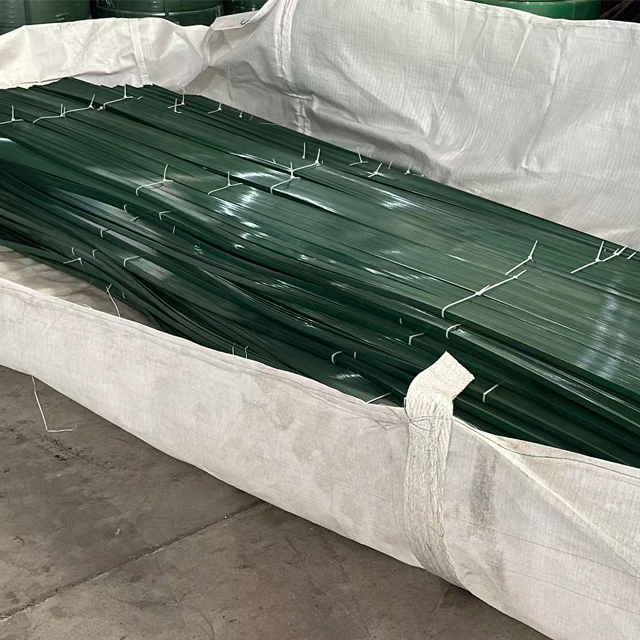
Ocean transit creates an incredibly hostile environment for packaged goods. A standard ocean voyage lasts anywhere from 20 to 40 days. During this time, cargo faces relentless physical and environmental challenges. Traditional banding materials often fail under these unique stresses.
Ships move continuously across six degrees of freedom. Pitch, roll, heave, sway, surge, and yaw act on the vessel simultaneously. These movements generate massive dynamic load stresses. Cargo shifts slightly with every wave. Vibrations from the ship's massive engines transfer directly through the hull into the containers.
These combined forces cause traditional banding to snap or loosen. Rigid materials cannot absorb the constant jerking motions. Weak plastics stretch out and lose their grip. Once a single strap fails, the entire pallet becomes vulnerable to catastrophic collapse.
Shipping containers create volatile microclimates. A container might load in freezing temperatures and travel through the equatorial heat. These wild temperature swings wreak havoc on packaging materials.
Moisture presents an even bigger threat. Warm air holds more moisture. When the container cools at night, the trapped moisture condenses on the ceiling. This creates "container rain." Saltwater air also penetrates the container vents. This high-humidity, high-salinity environment destroys unprotected metals in a matter of days.
You must evaluate strapping materials against rigorous maritime baselines. We recommend assessing four critical success criteria before selecting a packaging material.
High Break Strength: The strap must secure thousands of pounds without snapping under static load.
Elastic Memory: The material must elongate slightly under sudden shock and immediately snap back to its original tension.
Weather Resistance: The band must ignore moisture, salt air, and massive temperature swings.
Global Compliance: The material must meet international shipping standards and environmental regulations.
Always use desiccants inside containers to manage moisture levels.
Block and brace heavy pallets to minimize initial shifting.
Distribute weight evenly across the container floor to prevent uneven strap strain.
Exporters historically relied on steel for heavy loads and Polypropylene (PP) for lighter parcels. Modern engineering has disrupted this binary choice. Polyester (PET) now dominates the export packaging sector. Let us examine the evidence driving this shift.
Steel has served as the default heavy-duty strap for decades. However, the maritime environment exposes its fatal flaws. Corrosion remains steel's biggest enemy. Steel rusts rapidly in high-humidity sea environments. Rust compromises the structural integrity of the metal. It also causes severe heavy staining on the packaged goods. A rusted steel strap can ruin a shipment of premium lumber or architectural stone before it even arrives.
PET completely ignores moisture. It never rusts. You can submerge it in saltwater for months without losing structural integrity.
Impact absorption highlights another stark difference. Steel is extremely rigid. When a pallet drops or a ship pitches violently, steel takes the full force of the impact. It often snaps under sudden shock. PET behaves differently. It elongates slightly to absorb the kinetic energy. Thanks to its elastic memory, it snaps back immediately to hold the load tight.
Many shippers mistakenly treat all plastic strapping equally. This mistake causes massive cargo damage. PP works well for short distances and light parcels. It fails miserably in long-haul ocean transport.
PP generally experiences greater tension creep and stress relaxation than PET, particularly under sustained loads and elevated temperatures. The amount of retained tension can vary significantly depending on strap grade, initial tension, temperature, load conditions, and time.
PET generally provides better long-term tension retention and higher tensile strength than PP, making it suitable for many heavy-duty applications such as palletized goods and industrial products. PP remains well suited to many light- to medium-duty applications where its lower cost and flexibility are appropriate.
Feature | Steel Strapping | PP Strapping | PET Strapping |
|---|---|---|---|
Corrosion Resistance | Poor (Rusts easily) | Excellent | Excellent |
Tension Retention | Excellent | Poor (High creep) | High (Up to 90%) |
Impact Absorption | Poor (Rigid, snaps) | Moderate | Excellent (Elastic memory) |
Ideal Application | Extreme heat, sharp edges | Light domestic parcels | Heavy maritime exports |
PET replaces steel in over 80% of standard applications. However, certain extreme scenarios still require steel. You should use steel if you are strapping items immediately out of an industrial furnace. PET will melt under extreme direct heat. Additionally, loads with razor-sharp, unshielded edges might slice through plastic under high tension. In those specific edge cases, steel remains the necessary choice.
Global trade relies on strict regulatory frameworks. Environmental compliance now plays a massive role in export logistics. Port authorities scrutinize packaging waste more closely than ever.
The European Union leads the world in packaging regulations. Strict packaging waste directives force importers to manage disposal responsibly. Many European countries now levy heavy plastic taxes on non-recyclable materials.
Using outdated or mixed-plastic packaging creates massive headaches for your European buyers. They face steep disposal fees. In some cases, port authorities will fine the importer for non-compliant packaging. You risk losing lucrative contracts if your packaging causes regulatory friction.
Premium polyester banding offers a massive sustainability advantage. Manufacturers often produce it using 100% recycled materials. More importantly, the material carries the Resin Identification Code 1. This means it is fully and easily recyclable at almost any destination port in the world.
Your end customer can toss the used banding directly into standard commercial recycling streams. This simplifies disposal. It removes the hazard and cost of throwing away sharp, rusted steel bands. Providing a clean, green packaging solution strengthens your relationship with eco-conscious buyers.
Customs officials look for specific red flags during container inspections. Rusted steel bands often suggest water damage or poor cargo care. This triggers deeper, time-consuming inspections. Non-compliant single-use plastics also invite scrutiny.
Using compliant, clean, and easily verifiable packaging materials prevents these delays. Inspectors recognize polyester banding as an industry standard for safe, compliant shipping. Smoother customs clearance means faster delivery times and happier clients.
Assuming domestic packaging standards work for international borders.
Ignoring the disposal costs shifted onto the international buyer.
Failing to provide recycling documentation for your packaging materials upon buyer request.
Switching your export line to polyester requires careful planning. You cannot simply guess the right size. You must engineer your packaging approach based on hard data and physical physics.
You must calculate the required strap strength accurately. Under-strapping leads to catastrophic failures. Over-strapping wastes resources.
Calculate required strap strength based on the load characteristics, strap configuration, expected dynamic forces, and the strength of the weakest component in the securing system. Do not rely on a universal multiplier such as 1.5 or 2 times the cargo weight.
If your pallet weighs 2,000 lbs, the required strap strength should be determined from the specific load-securing design rather than simply assigning a fixed strength to each strap. Always factor in the weakest point of the loop, which is usually the seal or the weld. The actual joint efficiency should be verified against the manufacturer's technical data and test conditions.
You cannot use your existing steel tensioners for plastic banding. The mechanisms differ entirely. Steel tools rely on metal seals and severe crimping. These actions will crush and snap plastic materials.
You must invest in compatible tooling. Friction-weld battery tools represent the industry standard. They vibrate the two ends of the strap together at high speeds. The friction melts the plastic and creates a seamless, incredibly strong bond.
For higher volume operations, pneumatic tensioners offer relentless consistency. If your facility processes hundreds of pallets daily, consider integrating a fully automated PET strapping machine. These machines automatically tension, weld, and cut the material in seconds. They eliminate human error and guarantee identical tension on every single load.
Export loads often feature rigid, angular shapes. Timber, metal pipes, and stamped machinery have sharp corners. When you tension any strap over a sharp 90-degree angle, the localized stress skyrockets.
We strongly recommend using robust edge protectors. Heavy-duty cardboard or hard plastic V-boards work perfectly. They distribute the tension evenly across the corner. They prevent the strap from biting into the product. They also prevent the product from cutting into the strap. Edge protection maximizes the effectiveness of your strapping system on rigid loads.
Calibrate your tensioning tools weekly to ensure consistent weld strength.
Train warehouse staff on proper friction-weld techniques and visual weld inspections.
Test a newly strapped pallet by tilting it on a forklift to check for load shift before loading the container.
Upgrading your export packaging is a critical strategic decision. Sea freight exposes cargo to violent movements, harsh climates, and long transit times. Traditional materials like steel and PP struggle to meet these demands effectively. Upgrading to polyester mitigates these specific sea freight risks. It ensures your cargo arrives intact while maintaining global regulatory compliance.
Procurement teams should take immediate action to secure their supply chains. We recommend the following next steps:
Conduct a physical pilot test on a standard, high-stress export route.
Request material samples for internal tension and weld testing on your specific loads.
Audit your current packaging waste footprint to ensure compliance with European plastic directives.
Consult with a packaging engineer to calculate the precise break strength required for your heaviest pallets.
A: Breaking strength varies based on width and thickness. A standard 5/8" strap typically holds around 800 to 1,400 lbs. Heavy-duty 3/4" or 1" straps can hold over 2,500 lbs per strap. Always check the manufacturer's specific technical data sheet for exact tensile limits.
A: It performs exceptionally well in high heat compared to PP. While extreme heat causes slight expansion, PET's elastic memory compensates for the thermal expansion of the cargo. It maintains a secure grip on the load even when container temperatures soar.
A: No. Steel tools use physical crimping and metal seals that will destroy plastic materials. You need distinct tensioning and sealing tools, such as battery-powered friction welders or specialized serrated seals.
A: Quality polyester banding includes UV-resistant additives. These additives prevent the plastic from degrading, turning brittle, or snapping during extended outdoor port storage. It remains stable even under direct, prolonged sunlight.


