

close
Choose Your Site
Global
Social Media
Views: 0 Author: Site Editor Publish Time: 2026-08-23 Origin: Site


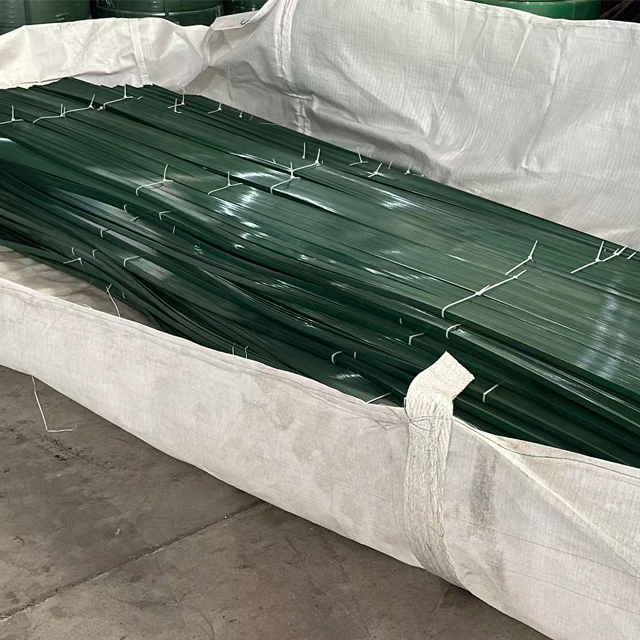
New energy panels present a distinct logistical challenge for modern supply chains. You ship high-value units across volatile global transit routes. These rigid loads remain highly vulnerable to micro-cracking and frame deformation. Traditional securing methods often fail to protect these fragile components during long hauls. Industry professionals increasingly recognize PET Strapping as the standard engineered alternative to steel and polypropylene.It can provide a suitable combination of strength and controlled elongation when properly specified and applied. With appropriate tension and corner protection, PET strapping can help secure panels while reducing localized pressure on delicate aluminum frames.This guide provides procurement and packaging operations managers with a clear framework. You will learn how to evaluate, specify, and implement these systems effectively. We will explore material comparisons, technical specifications, and modern application equipment. By following these guidelines, you ensure your solar modules and energy panels arrive intact.
Elastic Memory is Critical: PET strapping retains tension during load shifting and thermal expansion, preventing panel destabilization during long-haul transit.
Superior Edge Protection: Unlike steel, PET conforms safely to panel frames when paired with corner protectors, drastically reducing localized stress fractures.
Equipment Compatibility: Moving to PET requires evaluating current tooling—specifically transitioning to friction-weld technology over traditional manual crimping for consistent tension control.
Compliance & Sustainability: High-grade PET meets strict European and global environmental packaging mandates, supporting the overall green profile of New Energy products.
Transit damage introduces severe business risks. Fragile solar cells easily develop transit-induced micro-cracks when loads shift. These microscopic fractures remain invisible to the naked eye. However, they drastically reduce the power output of the installed solar module. Shattered tempered glass represents another catastrophic failure mode. A single loose band can cause modules to collide during transit. Frame deformation also occurs frequently. Aluminum frames bend permanently when subjected to uneven pressure. These failures lead to rejected deliveries. They harm your brand reputation. They disrupt massive energy infrastructure projects.
Global sea freight exposes packaging materials to brutal conditions. Shipping containers endure extreme temperature swings. They heat up rapidly under direct sunlight. They cool down significantly at night. This thermal cycling causes packaging materials to expand and contract continuously. Outdoor storage yards present similar environmental challenges. Rigid bands fail under these dynamic stresses. They snap when the load shifts or expands. Overly brittle materials crack in freezing temperatures. You need a securing medium capable of adapting to these environmental extremes.
Panel bundling requires exact success criteria. You must secure the load firmly to prevent any internal shifting. Simultaneously, you must maintain a strict upper tension limit. Excessive tension easily crushes fragile aluminum frames. Insufficient tension allows the modules to slide against one another. Finding this balance represents the core engineering challenge. You must rely on materials designed to hold specific tension parameters. Precise application methods ensure consistent pressure across every pallet. Safety and stability must coexist perfectly.
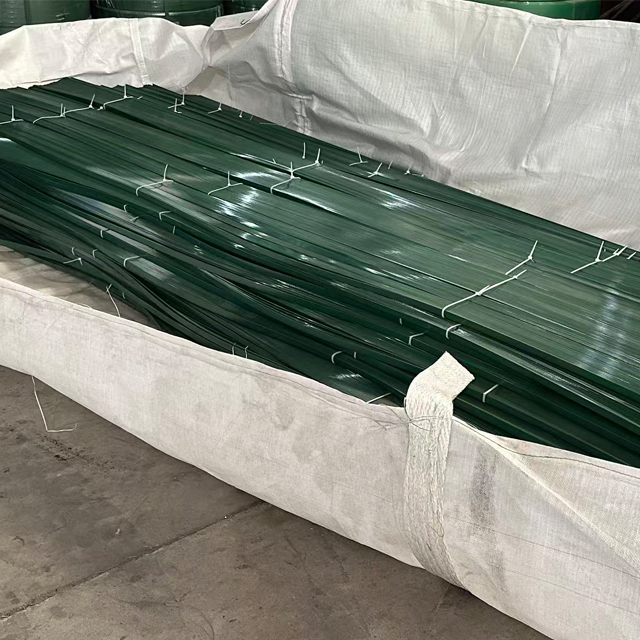
Material Performance Comparison for Heavy Pallets
Material Type | Elasticity & Recovery | Safety Risk | Suitability for Panels |
|---|---|---|---|
Polypropylene (PP) | High elongation, poor recovery | Low (soft material) | Unsafe (loosens over time) |
Steel | Zero elasticity | High (laceration hazard) | Poor (causes frame damage) |
Polyester (PET) | Moderate elongation, high recovery | Low (smooth edges) | Excellent (absorbs shocks) |
Polypropylene suffers from severe mechanical limitations. It exhibits high elongation but lacks elastic memory. Engineers refer to this phenomenon as "creep." When subjected to continuous stress, PP stretches permanently. It cannot return to its original length. The bands become noticeably loose after just 24 to 48 hours. Loose bands render heavy, palletized panel loads inherently unsafe. The modules shift, collide, and shatter. PP simply lacks the sustained holding power required for heavy industrial shipments.
Steel offers incredible break strength but possesses zero elasticity. It cannot absorb sudden impacts during transit. A dropped pallet or a sudden jolt transfers the shock directly into the fragile panel frames. Furthermore, steel rusts rapidly in outdoor yard environments. Rust stains the aluminum frames and ruins the product aesthetics. Steel also poses severe safety risks. It causes dangerous lacerations to operators when cut. The rigid edges scratch panel frames. They frequently damage the tempered glass. These factors make steel highly inappropriate for delicate new energy loads.
Polyester offers a strong combination of tensile strength and controlled elongation. Its elastic recovery can help accommodate temporary load movement during transport while maintaining restraint. The actual elongation and recovery performance depends on the strap grade, dimensions, initial tension, temperature, and applied load. When properly specified and applied, PET can help maintain stable panel stacks without relying on excessive tension.
You must select dimensions based on specific pallet weights and tier stacking requirements. Engineers typically recommend a width between 16mm and 19mm for standard solar modules. Follow these general guidelines:
Calculate Maximum Load: Determine the total weight of a fully loaded module pallet.
Select Thickness: Choose heavier gauge thickness (e.g., 0.8mm to 1.0mm) for multi-tier stacking.
Verify Tool Compatibility: Ensure your application tools accept the chosen dimensions.
Manufacturers produce polyester bands in two distinct surface textures. Both offer unique mechanical benefits.
Embossed: This texture provides better joint efficiency during friction welding. The patterned surface grips internal machine rollers effectively. It also reduces longitudinal splitting during application.
Smooth: This finish offers higher baseline tensile strength. The uncompromised cross-section handles ultra-heavy module loads perfectly. However, it requires highly calibrated grip plates in your application machinery.
Solar projects often endure prolonged outdoor storage before installation. Standard plastics degrade rapidly under intense ultraviolet light. You must evaluate the necessity of UV-stabilized additives. High-grade polyester contains special inhibitors. These additives prevent strap embrittlement over months of sun exposure. Without UV protection, the bands turn brittle and snap spontaneously. Always specify UV-resistant grades if your pallets sit in open yards.
New energy products must project a green, sustainable profile. Your packaging materials should reflect this commitment. You must assess recycled content percentages carefully. High-quality recycled PET (rPET) meets regional sustainability mandates easily. European packaging waste directives mandate strict recycled content minimums. Specifying certified rPET helps you comply with these global regulations. It reduces your environmental footprint. It aligns perfectly with the eco-conscious values of the renewable energy sector.
Application technology dictates the ultimate security of your load. Legacy manual methods rely on metal crimp seals or buckles. These methods deliver lower joint efficiency. They create a high risk of inconsistent tension across different operators. You should avoid them for high-value panel bundling.
Instead, industry standards highly recommend friction weld technology. Battery-powered or pneumatic tools melt the plastic together. This delivers 85-90% joint efficiency. It allows for precise, repeatable tension settings. For high-volume manufacturing environments, installing an automated PET Strapping Machine ensures maximum consistency. Automation removes human error from the equation.
Over-tensioning represents the primary implementation risk. Operators often assume tighter is always better. This misconception buckles aluminum frames instantly. You must implement strict tension calibration protocols. Recommend standard operating procedures (SOPs) for all packaging lines. Lock the tension limits on your automated or battery-operated tools. Supervisors should audit these tension settings daily. You prevent frame buckling by respecting the compressive strength limits of the modules.
You cannot deploy high-tension bands directly against bare aluminum frames. The concentrated point load will crush the metal. You must deploy specialized edge protection alongside your bands. Heavy-duty V-boards distribute the pressure evenly across the entire module stack. Plastic corner protectors serve a similar function for individual corners. They guide the band safely around the fragile edges. This integration eliminates localized stress fractures completely. It ensures the elastic memory functions without damaging the product.
Supplier selection requires rigorous auditing. You must look for manufacturers that guarantee strict dimensional tolerances. Inconsistent width or thickness variance causes severe operational headaches. It jams automated machines frequently. It causes friction welders to fail. Request statistical process control (SPC) data from your vendors. Consistent manufacturing ensures your production line runs smoothly without costly downtime.
Never implement a new packaging material without empirical testing. Require vendor-supported transit testing. Utilize frameworks like ISTA (International Safe Transit Association) testing protocols. Subject your specific panel pallets to vibration, incline impact, and drop tests. These prototypes reveal hidden vulnerabilities in your packaging design. Real-world simulation confirms the elastic memory performs exactly as promised.
Frame your financial investment by evaluating the cost per securely shipped pallet. Do not simply look at the initial price per roll. A cheaper roll often results in loose pallets and damaged modules. You must factor in the dramatic reduction in damage claims. You also gain faster processing times on the warehouse floor when using automated friction tools. Evaluating overall material efficiency reveals the true value of high-quality polyester bands.
You should initiate the transition process immediately. Contact vetted suppliers and request sample rolls of UV-stabilized material. Organize an on-site tension-holding test. Use your current application tools or request a demo unit. Strap a test pallet and monitor it over 72 hours. Measure the retained tension. This simple action provides the physical proof needed to upgrade your operations.
Adopting polyester banding is not just a simple consumable swap. It represents a strategic upgrade to load security and product integrity. It absorbs transit shocks safely. It protects delicate aluminum frames from crushing. It eliminates the rust and safety hazards associated with metal bands. However, you must execute the transition correctly. Proper specification of dimensions and surface texture remains vital. Controlled implementation using friction weld tooling guarantees consistent results. You must enforce exact tension limits. By following this comprehensive framework, you protect your high-value solar modules against the harshest global transit conditions.
A: Usually no, or it requires significant modifications. PET is stiffer and requires higher sealing temperatures. It also demands different feeding track tolerances than PP. Using it in unmodified PP machines leads to frequent jams and weak friction welds. You typically need machinery specifically calibrated for polyester.
A: PET is highly resilient to temperature variations compared to PP. It maintains structural integrity from deep freezes to high heat. It does not stretch uncontrollably in hot containers or shatter in sub-zero yards. However, you must respect UV exposure limits based on the exact grade deployed.
A: It varies strictly by pallet weight and the edge protection used. Focus on securing the load firmly without surpassing the compressive strength limit of the panel frame. Precise calibration tools are essential. Never guess the tension; always lock the tool settings according to manufacturer specifications.
A: Color is largely an industry convention. Green serves as the global standard for PET. Performance depends entirely on the resin quality, virgin versus recycled ratio, and the manufacturing process. The color itself does not dictate tensile strength, elongation, or UV resistance.


