

close
Choose Your Site
Global
Social Media
Views: 0 Author: Site Editor Publish Time: 2026-06-30 Origin: Site


The industrial packaging sector is undergoing a massive material shift globally. For decades, steel served as the unquestioned default for securing heavy-duty loads. Today, rapid advancements in polymer technology make transitioning to lighter, flexible materials highly viable for most supply chains.
Procurement and warehouse managers face a daily dilemma. They must perfectly balance load security and strict shipping compliance against rising freight costs. Furthermore, severe worker safety liabilities and mounting material waste complicate traditional metal packaging methods. Managers need clear, data-driven guidance to navigate these daily logistical challenges.
This article delivers an objective, engineering-focused comparison between metal and plastic banding systems. We will explore structural performance, safety considerations, and new equipment requirements. Read on to determine if migrating to a synthetic solution is safe, financially efficient, and operationally sound for your specific warehouse loads. You will discover key strategies to optimize your outbound logistics.
Performance: PET strapping absorbs impact and retains tension on shifting loads via elastic memory; steel offers higher absolute break strength but zero stretch.
Safety & Compliance: PET eliminates severe laceration risks and recoil hazards associated with cutting steel bands.
Cost Efficiency: As a steel strapping alternative, PET generally costs less per foot, reduces shipping weight, and limits product damage from rust.
Hardware Realities: Switching materials requires an upfront investment in new tensioning and sealing tools (friction weld or battery-operated).
You must understand the distinct breaking limits of different strapping materials. Engineers evaluate banding using two metrics. First is maximum tensile strength. Second is the working load limit. Standard steel bands offer exceptional absolute strength. Heavy-duty steel can secure ultra-heavy loads requiring up to 12,000 pounds of break strength. It dominates applications where mass is the primary concern.
However, heavy-duty polymers have closed this gap significantly. Advanced manufacturing processes create highly oriented polymer chains. This alignment gives synthetic bands remarkable strength. Premium polymer options can easily match light-to-medium steel products. They often provide breaking strengths between 1,500 and 4,000 pounds. While ultra-heavy steel still holds the highest absolute limits, synthetic options cover the vast majority of standard industrial applications safely.
Loads rarely remain static during a thousand-mile transit. Freight undergoes constant vibration, impacts, and environmental changes. Green lumber dries out and shrinks significantly. Corrugated boxes compress under heavy stacking pressure. When a load settles, the circumference of the bundle decreases.
Rigid materials fail in dynamic environments. Steel possesses virtually zero stretch. Once tensioned, it locks the load strictly in place. If a forklift drops a pallet, sudden impact forces exceed the metal's yield point. The rigid band permanently deforms, loosens entirely, or snaps violently. It cannot recover its original shape.
Polymers solve this dynamic movement problem through elastic memory. They act like heavy-duty shock absorbers. When operators apply tension, the synthetic band elongates by roughly 2% to 6%. As the load shrinks or settles, the material attempts to return to its original resting state. This recovery action maintains continuous compression on the bundle. The load stays secure even if the product dimensions change.
Outdoor storage introduces severe environmental threats to industrial packaging. Moisture acts as a relentless enemy to metal banding. Condensation, rain, and humidity trigger rapid oxidation. Steel rusts aggressively when exposed to these elements. This rust frequently bleeds onto finished products. Architectural stone, finished lumber, and white goods suffer expensive cosmetic damage from rusty banding.
Synthetic materials eliminate this degradation entirely. Modern PET Strapping utilizes advanced UV inhibitors and weather-resistant additives. It repels water completely. Sunlight exposure will not immediately degrade its tensile strength. You can store bundled lumber outdoors for months without compromising load integrity or staining the final product. This clean profile protects your brand reputation and reduces costly product returns.
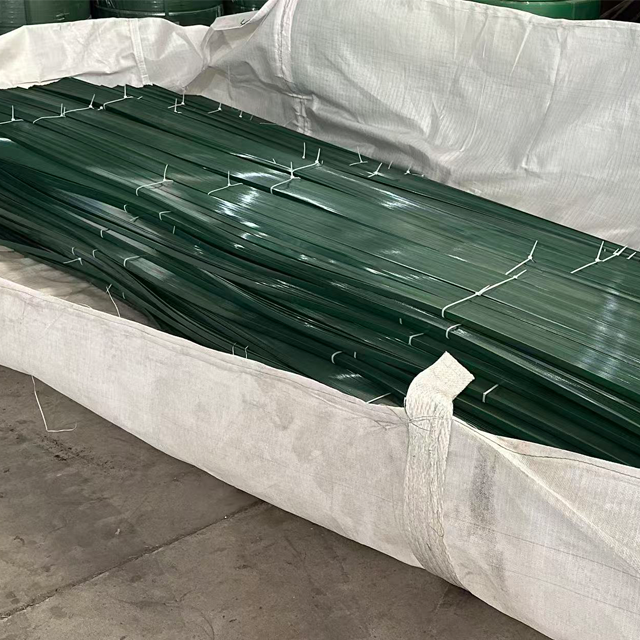
Global metal markets experience intense price volatility. Tariffs, raw material shortages, and energy costs cause steel prices to fluctuate wildly. This unpredictability frustrates precise budget forecasting. Synthetic polymers historically maintain much more stable pricing structures. Analyzing the direct cost-per-foot baseline reveals that plastics consistently cost less than comparable metal bands.
Freight savings also drive widespread adoption. Metal is inherently heavy. A standard coil of metal banding often weighs over 100 pounds. Conversely, a synthetic coil offers similar footage but weighs roughly 40 to 45 pounds. This 80% weight reduction lowers your overall shipping mass. Reducing dead weight on every outbound truck yields measurable fuel and freight savings annually.
Warehouse safety represents a critical operational priority. Metal bands pose severe laceration risks. The edges are razor-sharp. When workers cut a high-tension metal band, the stored energy releases instantly. The metal recoils rapidly, creating a dangerous whiplash effect. This recoil frequently causes deep cuts or severe facial injuries. Moving heavy metal coils also causes chronic back strain among warehouse staff.
Switching materials acts as an immediate risk-mitigation strategy. Polymers have soft edges. They do not snap back aggressively when cut under tension. They fall harmlessly to the ground. Lighter coils mean easier, safer lifting for operators. Safety managers frequently champion this transition. Lowering injury rates directly reduces worker compensation claims and insurance premiums.
Evaluating your packaging hardware is an essential step. Metal banding relies on pneumatic or heavy manual tools. Operators must use metal seals to lock the joints. These seals add recurring consumable costs. Metal-on-metal tensioning creates intense friction. Tool gears wear out quickly and require frequent, expensive maintenance.
Synthetic hardware operates differently. Most modern facilities utilize battery-powered friction-weld tools. These automated tools rub the strap ends together at high speeds. The friction melts the plastic and fuses it into a seamless joint. This process eliminates the need for expensive metal seals entirely. The tools generally require less strenuous maintenance and offer highly consistent, repeatable tensioning across every single pallet.
Choosing the correct material depends heavily on your specific product profile. You must align the material properties with the physical demands of your freight. As a highly effective steel strapping alternative, synthetic banding excels in several distinct applications.
First, it dominates applications involving settling loads. Agricultural products, bagged concrete, and timber bundles shift constantly. Elastic memory keeps these loads tight. Second, it serves rigid loads requiring medium-to-high tension. Bricks, concrete blocks, and glass bottling pallets need strong compression. However, metal bands can crack or chip these brittle surfaces. Synthetic bands apply firm pressure without damaging the product face.
Finally, modern automated packaging lines favor synthetic materials. Plastic feeds smoothly through high-speed arch machines. It resists jamming better than heavy metal. Facilities prioritizing maximum throughput and automation find synthetic bands far more reliable for continuous operations.
Environmental regulations now influence procurement decisions globally. Corporate sustainability goals require warehouses to reduce waste footprints. Metal banding is technically recyclable but practically difficult to manage. End-users struggle to dispose of sharp, rigid metal tangles. Scrap yards often reject mixed metal loads or charge processing fees.
Synthetic banding offers a superior lifecycle. Manufacturers frequently produce these bands using 100% recycled post-consumer waste, like discarded water bottles. After use, receivers can easily chop the flexible plastic into small pieces. They consolidate it into standard recycling bins. This closed-loop recyclability helps companies meet strict sustainability mandates and reduces landfill contributions.
Performance Metric | Metal Banding | Polymer Banding |
|---|---|---|
Elastic Memory | 0% (Rigid locking) | Excellent (2-6% elongation) |
Impact Resistance | Poor (Prone to snapping) | High (Absorbs sudden shock) |
Weather Resistance | Low (Oxidizes rapidly) | High (UV and moisture stable) |
Operator Safety | Hazardous (Sharp recoil) | Safe (Soft edges, zero recoil) |
Despite polymer advancements, extreme heat instantly disqualifies plastics. Synthetic bands melt at roughly 450°F to 500°F. If your process involves high ambient heat, you must retain metal systems. Facilities handling freshly forged metal parts, aluminum ingots, or hot-rolled wire rely exclusively on metal. Metal remains completely non-combustible. It maintains structural integrity regardless of immediate temperature spikes.
Load geometry dictates material selection. Consider the sharp edges of sheared metal plates, structural I-beams, or raw cut pipe. These unprotected, razor-sharp edges act like knives against flexible plastics. Even thick plastics will shear under tight tension against sharp corners. Metal resists shearing entirely. Unless you invest heavily in thick corner protectors, metal is absolutely required for razor-sharp industrial freight.
Some logistics networks mandate zero elongation. Transporting massive, static weights requires absolute rigidity. Key applications include:
Railcar loading: Open-top railcars face massive longitudinal impacts during train shunting.
Heavy machinery: Securing multi-ton generators to flatbed trailers demands maximum break strength.
Primary metal coils: Giant steel coils require high-tension, rigid binding to prevent unspooling during transit.
Regulatory bodies, such as the Association of American Railroads (AAR), strictly enforce metal banding for these specific load classes. Regulatory compliance overrides any potential material cost savings.
You cannot use existing metal tensioners and crimping sealers on plastic products. The hardware is entirely incompatible. Acknowledging this reality is crucial for planning. Switching materials requires an immediate upfront capital expense. You must purchase dedicated battery-operated friction-weld tools or pneumatic plastic strapping machinery.
Industrial-grade battery tools represent a significant investment per packing station. While you eliminate the recurring cost of metal seals, the initial hardware purchase can stall budget approvals. Managers should phase out metal stations gradually rather than replacing all facility hardware simultaneously.
Warehouse staff often resist process changes. Veteran operators develop a specific tactile feel for tensioning metal. They listen for the metal to groan. They feel the manual tensioner lock tight. Plastics feel very different. The tools are lighter and highly automated. Pressing a single button tensions, welds, and cuts the strap in seconds.
Operators must relearn tensioning limits. Applying maximum tension to a synthetic band on a fragile load can crush the product. You must implement comprehensive retraining programs. Teach staff how to adjust tool tension settings properly. Ensure they understand proper friction-weld cooling times. A poorly cooled weld joint will fail instantly.
Never transition your entire logistics network blindly. Freight behaves unpredictably. You must validate the new material through rigorous physical testing. We recommend following a structured transition process.
Select a pilot load: Choose a standard outbound pallet profile.
Calculate strength matching: Identify the correct gauge of PET Strapping to match your current metal working load limits.
Conduct drop tests: Simulate forklift drops in a controlled yard to test joint efficiency and impact resistance.
Perform a trial run: Send dummy loads through your actual carrier network to verify real-world transit compliance.
This validation confirms that the chosen synthetic gauge meets all necessary transport compliance standards for your specific freight class.
Steel remains a highly specialized tool. It is mandatory for extreme weight, intense heat, and razor-sharp edges. However, the modern supply chain has evolved. For roughly 80% of standard industrial bundling and palletizing tasks, synthetic options provide vastly superior metrics. They offer unmatched tension retention on shifting loads. They drastically improve warehouse safety profiles. They lower baseline material expenses.
Your next step requires physical evaluation. We recommend booking a comprehensive material audit with a packaging engineer. Request a sample coil and a demonstration tool. Test the material's elastic memory on your most problematic loads. Evaluate the battery tool compatibility in your actual warehouse environment. Data-driven testing will confidently guide your facility toward a safer, more efficient packaging future.
A: No. Metal tools use mechanical notching and metal seals to lock the band. Plastic systems require either specialized serrated seals or modern friction welding. Friction welding melts the plastic together. Using metal tools on plastics will crush the material, destroy joint integrity, and cause immediate load failure.
A: Modern industrial synthetic banding contains specialized UV inhibitors. These additives protect the polymer chains from immediate sun damage. It performs exceptionally well for several months of outdoor storage. However, prolonged multi-year exposure will eventually cause brittleness and reduce tensile strength.
A: Do not just match maximum break strengths. Focus on the working load limit (WLL) and joint efficiency. A friction weld retains roughly 80% to 90% of the strap's strength. Calculate your load weight, dynamic transit forces, and required tension. Consult an engineer to match the right plastic gauge safely.
A: It resists permanent stretching highly effectively. You must distinguish between "creep" and "elastic memory." While cheap polypropylene (PP) creeps and loses tension within days, high-grade polyester retains its applied tension significantly better. It recovers from impacts rapidly and keeps settling loads tightly bound for long durations.


